
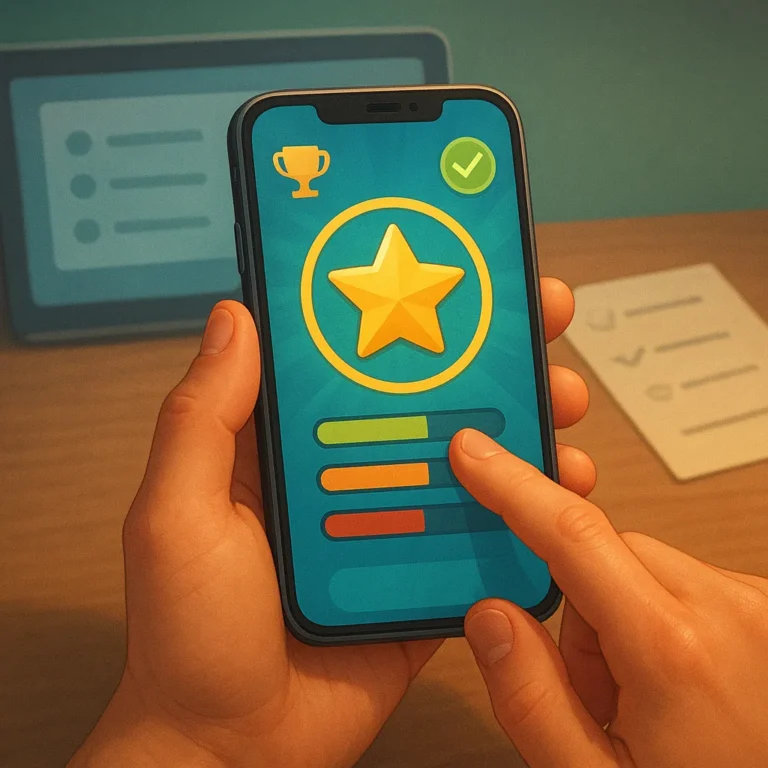
Healthy return visits begin with a reason to come back, not a timer, a flood of rewards, or pressure to keep playing. In a Roblox experience, creators can make that reason clear through a satisfying challenge, a welcoming path, and discoveries that feel useful. The goal is meaningful participation, not empty volume.
Start with one understandable idea and test it with beginners before adding layers. A player should know what to do, why the action matters, and how to recognize progress without studying a guide. Watch where people hesitate, ask what felt enjoyable or confusing, and let those observations shape improvements rather than chasing totals.
Understand why players return
Players often return when an experience gives them an invitation to continue while respecting their choice to stop. That invitation might be a new route, a skill to practice, or a question raised by the environment. It should connect to the core activity, so returning feels like continuing a conversation rather than collecting another obligation.
Healthy design leaves room for different rhythms. One beginner may finish a short task immediately, while another may explore quietly, retry a movement, or read the environment first. Offer progress that does not punish pauses, and avoid making every return depend on urgency. Comfort supports participation and gives feedback a chance to reveal what works.
Build challenges with a clear purpose
Make the first challenge readable
Make the first challenge readable before making it deep. State the objective in plain language, show the controls, and let players see a result soon after acting. For a beginner obstacle course, that could mean one visible checkpoint, a practice area, and feedback that explains why a jump failed. Clarity creates confidence without removing challenge.
Then separate the lesson from the test. Let beginners try the main action in a low risk space, reset quickly after mistakes, and understand what changed between attempts. A creator can compare two versions with a few players, noting confusion rather than blaming skill. This approach makes difficulty adjustable and keeps improvement tied to evidence.
Place discoveries beyond the opening minutes
Place discoveries beyond the opening minutes, but make their direction discoverable. A side room might reveal a tool, a changing view, or a story clue that explains the world. Use landmarks, gentle prompts, or rewards of knowledge so players can choose where to look. Exploration should feel optional, not like a hidden requirement for progress.
Consider a beginner who completes the opening task, notices a trail of lanterns, and finds an optional puzzle near the area. The puzzle can teach a useful pattern without blocking the route. If the player skips it, the activity still works; if the player returns, the discovery offers context or practice. That choice respects curiosity.
Add content that improves play rather than simply increasing volume
Add content only when it strengthens the experience players already understand. A second challenge might introduce a different decision, a cooperative variation, or a setting that changes how the same skill feels. It should answer a need found in testing. More rooms, items, or tasks are not automatically better when they dilute the central idea.
For beginners, a small addition could be a practice route that teaches timing before a cooperative mission asks for coordination. For experienced players, a variation might offer a fresh choice without invalidating earlier learning. Explain what the addition changes, test whether it improves decisions, and remove it if it creates noise. Expansion should follow purpose.
Use additions to deepen social play gently rather than manufacture dependence. A building task, a readable team goal, or a way to compare approaches can create conversation without ranking every person. Keep participation accessible for different abilities and connection speeds. Test the feature with a group, then adjust instructions, pacing, and access before expanding it.
Balance challenge, feedback, and player comfort
Balance challenge with feedback that is timely, specific, and calm. When a player misses an action, show what happened and offer a reasonable next attempt instead of a loud penalty. Audio, colors, and motion should clarify information rather than overwhelm. Comfort is especially important for beginners, who are still learning the space and its rules.
Give players signals before major changes, and let them pause or leave without losing everything. If an optional purchase exists, describe its function plainly and never make basic progress effectively impossible without it. Transparent choices protect trust, while accessible settings and clear retry options help more people participate on their own terms.
Review return patterns without chasing empty numbers
Review return patterns as clues, not as verdicts about players or the project. Look at where people stop, which instructions they revisit, what features they mention, and whether technical interruptions appear. A count can show that behavior changed, but it cannot explain why. Combine simple measures with conversations, observation, and careful reproduction of problems.
Before expanding, test the change with a group and define what you want to learn. Compare feedback from beginners with observations from returning players, then fix confusing steps before adding a layer. Keep a record of the decision and result. Iteration cannot promise retention, but it can make the experience clearer, kinder, and more useful.